Residential and Commercial Parking Initiative

Share Residential and Commercial Parking Initiative on Facebook Share Residential and Commercial Parking Initiative on X (formerly Twitter) Share Residential and Commercial Parking Initiative on Linkedin Email Residential and Commercial Parking Initiative link
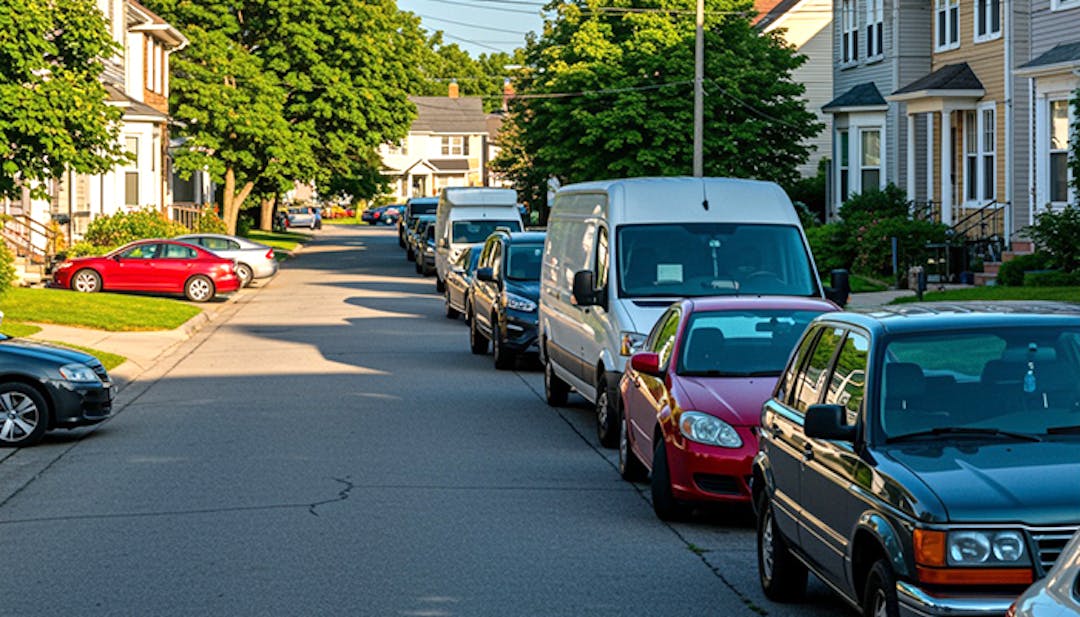
Cars parked on neighborhood street

PWC Works projects reflect our commitment of striving for exceptional customer service, maximizing operational efficiencies, increasing modernization, providing excellent service delivery, and collaborating with the community for a coordinated response that achieves the best possible outcomes for our residents and the overall wellbeing of the county.


What is the Residential and Commercial Parking Initiative?

Parking has become increasingly challenging in Prince William County as growth and evolving transportation needs place greater demands on available spaces in neighborhoods and commercial areas. The mix of residential, commercial and industrial activities has intensified parking concerns, while the unique and diverse needs of our residents, businesses and visitors highlight the importance of equitable and inclusive solutions.

Parking Enforcement

Currently, parking regulations on public roadways and rights of way are enforced by members of the Prince William County Police Department (PWCPD) Parking Enforcement Unit and PWCPD police officers. In addition, staff from the Neighborhood Services Division of Public Works provide education and enforcement on zoning regulations for both commercial and residential properties, supporting compliance across the county.

In an effort to improve how the county responds to resident parking complaints, the PWCPD and the Department of Public Safety Communications (DPSC) recently established a new procedure and a Parking Monitor in the computer-aided dispatch (CAD) system to ensure all complaints received are entered and tracked more efficiently.

Priority parking calls, which are those that pose a safety risk, are dispatched when members are available. Parking complaints that do not pose an immediate safety risk are placed in the Parking Monitor. Members of the Parking Enforcement Unit review the monitor and respond to complaints and document the outcome of any actions taken. Police officers are also able to observe pending complaints and respond as operational obligations allow. This process allows for better around-the-clock coverage.


Main Goals of the Residential and Commercial Parking Initiative

Addressing parking challenges in a growing community requires a proactive approach that balances immediate demands with long-term planning to ensure accessibility, efficiency, accountability and sustainability for all. Therefore, the PWCPD and Neighborhood Services Division have joined forces to address parking issues comprehensively. The main goals and next steps of this initiative include:

Improving Our Code and Legal Framework

Developing parking regulations that are properly tailored to specific areas involves balancing the unique needs of residents, businesses and visitors while enhancing compliance with existing codes. Through community engagement, data analysis, and collaboration with stakeholders, we will seek to implement evidence-informed strategies—such as designated residential zones, time-limited parking and improved signage—aimed to promote safety, efficiency, and fairness.

Enhanced Enforcement and Education

Enhanced and focused enforcement plays a critical role in ensuring compliance with parking regulations, improving turnover in high-demand areas and discouraging the misuse of spaces. To strengthen these efforts, county staff will evaluate opportunities for better interagency coordination, ensuring a seamless approach to enforcement and service delivery.

Educational campaigns will be strengthened to ensure compliance, fostering a well-organized parking system that supports neighborhood livability and economic vitality. Emphasis will also be placed on enhancing the customer experience for residents, including greater transparency and accessibility in addressing parking concerns, fostering trust and satisfaction within the community.

Fiscal Accountability

Fiscal accountability for parking enforcement ensures that resources are managed efficiently, transparently and in alignment with community needs. This includes implementing cost-effective enforcement strategies, optimizing personnel deployment, and leveraging technology to enhance efficiency. Public reporting helps maintain transparency, build trust, and demonstrate that parking enforcement is not merely punitive but a tool for maintaining order, accessibility and fiscal responsibility.

Improving Capacity

The current national shortage of commercial tractor-trailer parking has become a pressing issue, fueled by the rapid growth of the logistics and transportation sectors and a lack of sufficient infrastructure to meet their needs. Locally, the presence of commercial vehicles of all types has become more prevalent in neighborhoods, creating challenges for residents and businesses alike.

This initiative aims to address these concerns by exploring options to expand parking capacity for commercial vehicles, helping to alleviate resident frustrations, support local businesses, reduce congestion and improve overall safety. By tackling this issue proactively, the effort seeks to balance community needs with the demands of a growing economy.


Success Criteria for the Residential and Commercial Parking Initiative

  • Reduce number of parking complaints in residential areas
  • Expand capacity for commercial vehicles
  • Create efficiencies in reporting data while utilizing technology and maximizing operational efficiencies

PWC Works projects reflect our commitment of striving for exceptional customer service, maximizing operational efficiencies, increasing modernization, providing excellent service delivery, and collaborating with the community for a coordinated response that achieves the best possible outcomes for our residents and the overall wellbeing of the county.


What is the Residential and Commercial Parking Initiative?

Parking has become increasingly challenging in Prince William County as growth and evolving transportation needs place greater demands on available spaces in neighborhoods and commercial areas. The mix of residential, commercial and industrial activities has intensified parking concerns, while the unique and diverse needs of our residents, businesses and visitors highlight the importance of equitable and inclusive solutions.

Parking Enforcement

Currently, parking regulations on public roadways and rights of way are enforced by members of the Prince William County Police Department (PWCPD) Parking Enforcement Unit and PWCPD police officers. In addition, staff from the Neighborhood Services Division of Public Works provide education and enforcement on zoning regulations for both commercial and residential properties, supporting compliance across the county.

In an effort to improve how the county responds to resident parking complaints, the PWCPD and the Department of Public Safety Communications (DPSC) recently established a new procedure and a Parking Monitor in the computer-aided dispatch (CAD) system to ensure all complaints received are entered and tracked more efficiently.

Priority parking calls, which are those that pose a safety risk, are dispatched when members are available. Parking complaints that do not pose an immediate safety risk are placed in the Parking Monitor. Members of the Parking Enforcement Unit review the monitor and respond to complaints and document the outcome of any actions taken. Police officers are also able to observe pending complaints and respond as operational obligations allow. This process allows for better around-the-clock coverage.


Main Goals of the Residential and Commercial Parking Initiative

Addressing parking challenges in a growing community requires a proactive approach that balances immediate demands with long-term planning to ensure accessibility, efficiency, accountability and sustainability for all. Therefore, the PWCPD and Neighborhood Services Division have joined forces to address parking issues comprehensively. The main goals and next steps of this initiative include:

Improving Our Code and Legal Framework

Developing parking regulations that are properly tailored to specific areas involves balancing the unique needs of residents, businesses and visitors while enhancing compliance with existing codes. Through community engagement, data analysis, and collaboration with stakeholders, we will seek to implement evidence-informed strategies—such as designated residential zones, time-limited parking and improved signage—aimed to promote safety, efficiency, and fairness.

Enhanced Enforcement and Education

Enhanced and focused enforcement plays a critical role in ensuring compliance with parking regulations, improving turnover in high-demand areas and discouraging the misuse of spaces. To strengthen these efforts, county staff will evaluate opportunities for better interagency coordination, ensuring a seamless approach to enforcement and service delivery.

Educational campaigns will be strengthened to ensure compliance, fostering a well-organized parking system that supports neighborhood livability and economic vitality. Emphasis will also be placed on enhancing the customer experience for residents, including greater transparency and accessibility in addressing parking concerns, fostering trust and satisfaction within the community.

Fiscal Accountability

Fiscal accountability for parking enforcement ensures that resources are managed efficiently, transparently and in alignment with community needs. This includes implementing cost-effective enforcement strategies, optimizing personnel deployment, and leveraging technology to enhance efficiency. Public reporting helps maintain transparency, build trust, and demonstrate that parking enforcement is not merely punitive but a tool for maintaining order, accessibility and fiscal responsibility.

Improving Capacity

The current national shortage of commercial tractor-trailer parking has become a pressing issue, fueled by the rapid growth of the logistics and transportation sectors and a lack of sufficient infrastructure to meet their needs. Locally, the presence of commercial vehicles of all types has become more prevalent in neighborhoods, creating challenges for residents and businesses alike.

This initiative aims to address these concerns by exploring options to expand parking capacity for commercial vehicles, helping to alleviate resident frustrations, support local businesses, reduce congestion and improve overall safety. By tackling this issue proactively, the effort seeks to balance community needs with the demands of a growing economy.


Success Criteria for the Residential and Commercial Parking Initiative

  • Reduce number of parking complaints in residential areas
  • Expand capacity for commercial vehicles
  • Create efficiencies in reporting data while utilizing technology and maximizing operational efficiencies
  • PWCPD to Begin Towing for Excessive Parking Violations

    Share PWCPD to Begin Towing for Excessive Parking Violations on Facebook Share PWCPD to Begin Towing for Excessive Parking Violations on X (formerly Twitter) Share PWCPD to Begin Towing for Excessive Parking Violations on Linkedin Email PWCPD to Begin Towing for Excessive Parking Violations link

    Effective October 1, 2026, in accordance with existing state law and county ordinance, the Prince William County Police Department will tow vehicles with three or more unpaid parking citations. Parking complaints and concerns continue to be a significant community issue throughout Prince William County. In 2025, the police department received over 3,500 parking and abandoned vehicle complaints and issued over 18,700 parking citations. Currently in Prince William County, there are over 3,000 vehicles that have three or more unpaid parking citations.

    While existing law grants the police and parking officials the authority to tow vehicles that have accumulated three or more unpaid parking citations, the ultimate goal of this initiative is to gain voluntary compliance that holds vehicle owners accountable for their infractions. As this initial initiative is rolled out, some vehicle owners with excessive violations may be contacted directly by the police department, and any vehicle owner who has multiple citations, can contact the police department’s Licensing Section to arrange a payment plan. Vehicle owners who opt into and comply with the terms of their payment plan will not be towed.

    Existing stipulations regarding warnings and the immediate removal of vehicles posing safety or traffic issues remain unchanged.

    Resources and additional information regarding this initiative are provided below.

    Effective October 1, 2026, in accordance with existing state law and county ordinance, the Prince William County Police Department will tow vehicles with three or more unpaid parking citations. Parking complaints and concerns continue to be a significant community issue throughout Prince William County. In 2025, the police department received over 3,500 parking and abandoned vehicle complaints and issued over 18,700 parking citations. Currently in Prince William County, there are over 3,000 vehicles that have three or more unpaid parking citations.

    While existing law grants the police and parking officials the authority to tow vehicles that have accumulated three or more unpaid parking citations, the ultimate goal of this initiative is to gain voluntary compliance that holds vehicle owners accountable for their infractions. As this initial initiative is rolled out, some vehicle owners with excessive violations may be contacted directly by the police department, and any vehicle owner who has multiple citations, can contact the police department’s Licensing Section to arrange a payment plan. Vehicle owners who opt into and comply with the terms of their payment plan will not be towed.

    Existing stipulations regarding warnings and the immediate removal of vehicles posing safety or traffic issues remain unchanged.

    Resources and additional information regarding this initiative are provided below.

  • Join Us for Community Conversations!

    Share Join Us for Community Conversations! on Facebook Share Join Us for Community Conversations! on X (formerly Twitter) Share Join Us for Community Conversations! on Linkedin Email Join Us for Community Conversations! link
    We’re hosting Community Conversations across the county to hear your thoughts on commercial and residential parking. These forums are your chance to share concerns, ask questions and help shape real solutions that work for your community. You’ll also learn more about the county’s Parking Initiative and how it impacts your neighborhood.

    Wednesday, August 20, 2025 • 6 – 7 p.m.
    Potomac Library
    2201 Opitz Blvd., Woodbridge, VA 22191

    Tuesday, August 26, 2025 • 6 – 7 p.m.
    Bull Run Library
    8051 Ashton Ave., Manassas, VA 20109

    Thursday, August 28, 2025 • 6 – 7 p.m.
    Dale City Recreation Center
    14300 Minnieville Road, Dale City, VA 22193

    In addition to attending a Community Conversation, you can get involved in three easy ways:

    Your voice matters—let’s work together to improve parking across Prince William County.


    We’re hosting Community Conversations across the county to hear your thoughts on commercial and residential parking. These forums are your chance to share concerns, ask questions and help shape real solutions that work for your community. You’ll also learn more about the county’s Parking Initiative and how it impacts your neighborhood.

    Wednesday, August 20, 2025 • 6 – 7 p.m.
    Potomac Library
    2201 Opitz Blvd., Woodbridge, VA 22191

    Tuesday, August 26, 2025 • 6 – 7 p.m.
    Bull Run Library
    8051 Ashton Ave., Manassas, VA 20109

    Thursday, August 28, 2025 • 6 – 7 p.m.
    Dale City Recreation Center
    14300 Minnieville Road, Dale City, VA 22193

    In addition to attending a Community Conversation, you can get involved in three easy ways:

    Your voice matters—let’s work together to improve parking across Prince William County.