Strategic Plan - Safe & Secure Community

Share Strategic Plan - Safe & Secure Community on Facebook Share Strategic Plan - Safe & Secure Community on X (formerly Twitter) Share Strategic Plan - Safe & Secure Community on Linkedin Email Strategic Plan - Safe & Secure Community link
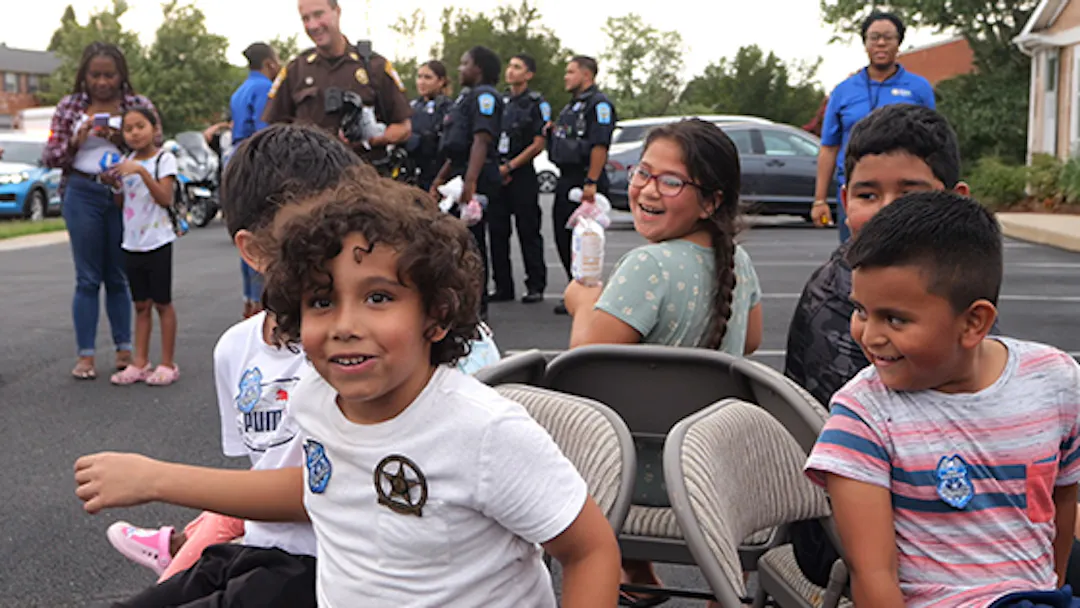
Children at National Night Out public safey community event

PWC Works projects reflect our commitment of striving for exceptional customer service, maximizing operational efficiencies, increasing modernization, providing excellent service delivery, and collaborating with the community for a coordinated response that achieves the best possible outcomes for our residents and the overall wellbeing of the county.


What is the Strategic Plan Safe & Secure Community Goal?

The Strategic Plan Safe & Secure Community Goal is to cultivate a safe and secure community that advances stakeholder engagement, collaboration, and evidence-based results.


Key Objectives of the Strategic Plan Safe & Secure Community Goal

Strategies to Meet Objective 1

  • Work with other agencies and partners to identify comprehensive approaches to prevention and intervention to communicate with the public.
  • Create clear communication channels and protocols for interagency coordination, including regular meetings, shared databases, and dedicated liaisons.
  • Enhance trauma-informed care and services for the victims, families, and neighborhoods affected by harm.

Current Projects, Initiatives and/or Activities that Support Objective 1

  • Prince William County Crisis Response System (Mental Health)
  • Fire Department Standard of Cover
  • Peer Recovery Program
  • Domestic Violence Policy Team
  • Domestic Violence Fatality Review Team

Strategies to Meet Objective 2

  • Develop a secure, centralized, interoperable data platform for cross-agency data collection and management.
  • Use advanced analytics tools to better forecast trends based on historical and emerging data.
  • Create predictive models and prioritize resources by identifying areas most likely to need attention, ensuring that preventive measures are timely and well-targeted.
  • Develop public-facing data platforms on community safety to enhance awareness.

Current Projects, Initiatives and/or Activities that Support Objective 2

  • Secured a centralized, interoperable data platform — Julota — that will be piloted across agencies to facilitate service referrals, manage data collection and monitor individual consumer outcomes
  • Developed Data Dashboard (Office of Community Safety, Fire & Rescue, Office of Criminal Justice Services) for information sharing
  • Evidence-based Decision Making (EBDM) Meetings – key stakeholders share data, discuss gaps in the system and work together to fill gaps through the EBDM process
  • Community Listening Sessions to engage and educate the community on issues such as panhandling, domestic violence, etc.

Strategies to Meet Objective 3

  • Regularly collect, analyze, and publicly report data on critical justice metrics to inform data-driven adjustments to policies and practices.
  • Implement accountability measures across all agencies to promote fair treatment for all.
  • Establish consistent meetings that bring all system stakeholders together to communicate and collaborate.

Current Projects, Initiatives and/or Activities that Support Objective 3

  • Evidence-Based Decision Making (EBDM) meetings
  • Specialty Dockets (Veterans and Recovery)
  • GPWC Crisis Response System (including Co-Responder Program)
  • Community Criminal Justice Board (CCJB)
  • Public Safety Assessment (PSA)
  • The Right Step Program provides youth with equitable restorative alternatives to formal justice involvement (Office of Youth Services)
  • Local law enforcement leaders meeting (includes local and state law enforcement agencies and the Commonwealth's Attorney)
  • Safe & Secure Community Extended Meeting – hosted quarterly by the Deputy County Executive for the Safe & Secure Community quadrant
  • Stepping Up Initiative aims to reduce the over-incarceration of people with mental illnesses and co-occurring substance use disorders in local jails
  • School-based Case Coordination Team (MDT)

Strategies to Meet Objective 4

  • Identify capacity-building opportunities for community-based partners to provide programming and services for youth that reduce harm and build resilience in the County.
  • Develop family resource centers with culturally relevant support services to provide a supportive place for families to build community connections.
  • Ensure each partner understands their role, responsibilities, and the value of their contribution to a unified response, reducing gaps in service and improving resource allocation.

Current Projects, Initiatives and/or Activities that Support Objective 4

  • The Right Step Program – Office of Youth Services
  • Re-Entry Services Program – provides broad, comprehensive support to offenders in building productive lives upon release from jail or prison
  • Gang Intervention and Prevention Team (GRIT)
  • Community Services Prevention Programming – strives to prevent addiction and suicides

Strategies to Meet Objective 5

  • Continue to integrate emergency management coordination across all agencies and conduct regular joint training exercises to ensure each agency understands its role and responsibilities, enabling faster, more effective response and recovery efforts during a disaster.
  • Work with local leaders, non-profits, and community groups to establish preparedness programs that educate residents on disaster readiness, evacuation plans, and emergency contacts, tailoring information to meet the needs of diverse populations.
  • Create multilingual communication networks and accessible, real-time information channels that keep all residents informed before, during, and after a disaster or incident.

Current Projects, Initiatives and/or Activities that Support Objective 5

  • Emergency Preparedness Outreach & Engagement
    • Dept of Fire & Rescue Community Pop-ups
    • Emergency Management Outreach Partnerships
  • Emergency Training Scenarios with internal and external agencies
    • Tabletop exercises
    • Full scale exercises
  • Emergency notifications via PWC Alerts
  • Multilingual Outreach materials
    • English and Spanish handouts
    • Language resources on the County webpage


Success Criteria (Key Performance Indicators) for the Strategic Plan Safe & Secure Community Goal

  • Total Police calls for service (informational metric)
  • Maintain or reduce average Police emergency response time of 5:54 (minutes:seconds)
  • Total Fire/EMS incidents (informational metric)
  • Fire & Rescue emergency response time – respond 90% of the time within 8:22 (minutes:seconds)
  • Increased Police engagement programs conducted
  • Reduced adult local probation reconviction rate
  • Increased percentage of residents who rate ‘very satisfied’ or ‘somewhat satisfied’ to “safety in your neighborhood” (Biennial Community Survey)

PWC Works projects reflect our commitment of striving for exceptional customer service, maximizing operational efficiencies, increasing modernization, providing excellent service delivery, and collaborating with the community for a coordinated response that achieves the best possible outcomes for our residents and the overall wellbeing of the county.


What is the Strategic Plan Safe & Secure Community Goal?

The Strategic Plan Safe & Secure Community Goal is to cultivate a safe and secure community that advances stakeholder engagement, collaboration, and evidence-based results.


Key Objectives of the Strategic Plan Safe & Secure Community Goal

Strategies to Meet Objective 1

  • Work with other agencies and partners to identify comprehensive approaches to prevention and intervention to communicate with the public.
  • Create clear communication channels and protocols for interagency coordination, including regular meetings, shared databases, and dedicated liaisons.
  • Enhance trauma-informed care and services for the victims, families, and neighborhoods affected by harm.

Current Projects, Initiatives and/or Activities that Support Objective 1

  • Prince William County Crisis Response System (Mental Health)
  • Fire Department Standard of Cover
  • Peer Recovery Program
  • Domestic Violence Policy Team
  • Domestic Violence Fatality Review Team

Strategies to Meet Objective 2

  • Develop a secure, centralized, interoperable data platform for cross-agency data collection and management.
  • Use advanced analytics tools to better forecast trends based on historical and emerging data.
  • Create predictive models and prioritize resources by identifying areas most likely to need attention, ensuring that preventive measures are timely and well-targeted.
  • Develop public-facing data platforms on community safety to enhance awareness.

Current Projects, Initiatives and/or Activities that Support Objective 2

  • Secured a centralized, interoperable data platform — Julota — that will be piloted across agencies to facilitate service referrals, manage data collection and monitor individual consumer outcomes
  • Developed Data Dashboard (Office of Community Safety, Fire & Rescue, Office of Criminal Justice Services) for information sharing
  • Evidence-based Decision Making (EBDM) Meetings – key stakeholders share data, discuss gaps in the system and work together to fill gaps through the EBDM process
  • Community Listening Sessions to engage and educate the community on issues such as panhandling, domestic violence, etc.

Strategies to Meet Objective 3

  • Regularly collect, analyze, and publicly report data on critical justice metrics to inform data-driven adjustments to policies and practices.
  • Implement accountability measures across all agencies to promote fair treatment for all.
  • Establish consistent meetings that bring all system stakeholders together to communicate and collaborate.

Current Projects, Initiatives and/or Activities that Support Objective 3

  • Evidence-Based Decision Making (EBDM) meetings
  • Specialty Dockets (Veterans and Recovery)
  • GPWC Crisis Response System (including Co-Responder Program)
  • Community Criminal Justice Board (CCJB)
  • Public Safety Assessment (PSA)
  • The Right Step Program provides youth with equitable restorative alternatives to formal justice involvement (Office of Youth Services)
  • Local law enforcement leaders meeting (includes local and state law enforcement agencies and the Commonwealth's Attorney)
  • Safe & Secure Community Extended Meeting – hosted quarterly by the Deputy County Executive for the Safe & Secure Community quadrant
  • Stepping Up Initiative aims to reduce the over-incarceration of people with mental illnesses and co-occurring substance use disorders in local jails
  • School-based Case Coordination Team (MDT)

Strategies to Meet Objective 4

  • Identify capacity-building opportunities for community-based partners to provide programming and services for youth that reduce harm and build resilience in the County.
  • Develop family resource centers with culturally relevant support services to provide a supportive place for families to build community connections.
  • Ensure each partner understands their role, responsibilities, and the value of their contribution to a unified response, reducing gaps in service and improving resource allocation.

Current Projects, Initiatives and/or Activities that Support Objective 4

  • The Right Step Program – Office of Youth Services
  • Re-Entry Services Program – provides broad, comprehensive support to offenders in building productive lives upon release from jail or prison
  • Gang Intervention and Prevention Team (GRIT)
  • Community Services Prevention Programming – strives to prevent addiction and suicides

Strategies to Meet Objective 5

  • Continue to integrate emergency management coordination across all agencies and conduct regular joint training exercises to ensure each agency understands its role and responsibilities, enabling faster, more effective response and recovery efforts during a disaster.
  • Work with local leaders, non-profits, and community groups to establish preparedness programs that educate residents on disaster readiness, evacuation plans, and emergency contacts, tailoring information to meet the needs of diverse populations.
  • Create multilingual communication networks and accessible, real-time information channels that keep all residents informed before, during, and after a disaster or incident.

Current Projects, Initiatives and/or Activities that Support Objective 5

  • Emergency Preparedness Outreach & Engagement
    • Dept of Fire & Rescue Community Pop-ups
    • Emergency Management Outreach Partnerships
  • Emergency Training Scenarios with internal and external agencies
    • Tabletop exercises
    • Full scale exercises
  • Emergency notifications via PWC Alerts
  • Multilingual Outreach materials
    • English and Spanish handouts
    • Language resources on the County webpage


Success Criteria (Key Performance Indicators) for the Strategic Plan Safe & Secure Community Goal

  • Total Police calls for service (informational metric)
  • Maintain or reduce average Police emergency response time of 5:54 (minutes:seconds)
  • Total Fire/EMS incidents (informational metric)
  • Fire & Rescue emergency response time – respond 90% of the time within 8:22 (minutes:seconds)
  • Increased Police engagement programs conducted
  • Reduced adult local probation reconviction rate
  • Increased percentage of residents who rate ‘very satisfied’ or ‘somewhat satisfied’ to “safety in your neighborhood” (Biennial Community Survey)