Flood Resilience Plan

Share Flood Resilience Plan on Facebook Share Flood Resilience Plan on X (formerly Twitter) Share Flood Resilience Plan on Linkedin Email Flood Resilience Plan link
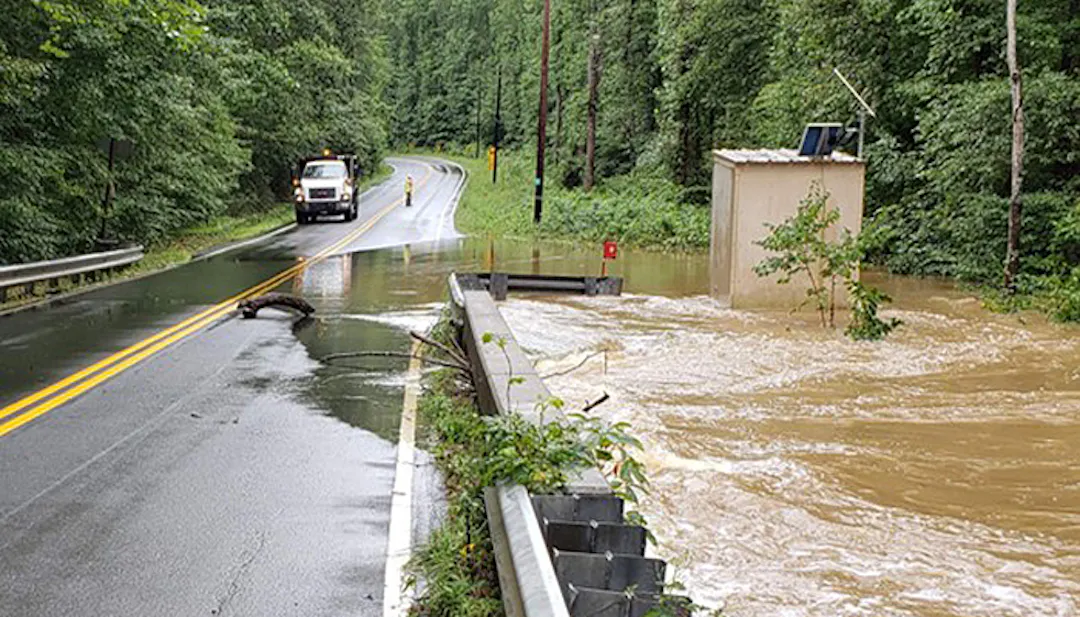
Flooding stream on roadway

PWC Works projects reflect our commitment of striving for exceptional customer service, maximizing operational efficiencies, increasing modernization, providing excellent service delivery, and collaborating with the community for a coordinated response that achieves the best possible outcomes for our residents and the overall wellbeing of the county.


What is the Flood Resilience Plan?

The Prince William County (PWC) Flood Resilience Plan (FRP) is a countywide planning effort led by the Office of Emergency Management. The plan will help PWC assess current and future flood risks and identify initiatives that can reduce future impacts to people, property, infrastructure and the environment. The FRP will also incorporate community input to develop a roadmap for implementing priority resilience initiatives across PWC and its incorporated towns.

Flooding is one of the most significant natural hazards facing PWC. It can damage homes and businesses, disrupt transportation and access to services, and affect everyday activities across the community. As the county continues to grow and flood risks continue to change, the FRP will help identify where flooding is most likely to occur, who and what may be vulnerable, and what initiatives can be pursued to reduce future impacts. The plan will also help inform future planning, investment and funding decisions while strengthening the County’s ability to anticipate, prepare, respond and recover from flooding.

How Will the Plan Be Developed?

Developing a strategic and actionable FRP requires a combination of technical analyses and community input. The project team will work with residents, incorporated towns, county departments, technical experts and other stakeholders throughout the planning process that follows.

1. Understand Flood Risks

The project team will conduct a planning-level Flood Risk Assessment to characterize risk and vulnerability across PWC. The assessment will integrate historical flood-event data with modeled hazards to compare current and future flood risk. Using the best available data from both regional and statewide models, the team will evaluate multiple flood types, identify flood-prone areas and assess how flood extent, depth and frequency may change over time. Supplemental data, including community input, may be integrated to provide additional context. Relative risk will be determined countywide and reported at the Census Block Group level.

2. Assess Community Impacts

Using the Flood Risk Assessment results, the project team will identify where people, structures and services may be exposed to flood hazards. Additional analyses will evaluate and quantify damages and other impacts to homes, businesses, roads, utilities, public facilities, natural resources and other community assets in flood-prone areas. Relative social vulnerability and resilience capacity will also be integrated into the analysis. These factors will be used to identify communities that may face greater flood impacts or have fewer resources to prepare, respond and recover.

3. Gather Community and Stakeholder Input

Community surveys will be distributed to gather information about the flooding experiences, areas of concern and resilience priorities for communities across PWC. Targeted stakeholder interviews will also be held to gather input from county departments, incorporated towns and other stakeholders.

As project findings are developed, the public will have opportunities to review preliminary FRP materials and provide input on the Flood Risk Assessment and community resilience priorities. Later in the project, the public will have an opportunity to provide feedback on the proposed resilience initiatives.

4. Explore Potential Initiatives

The project team will evaluate a range of initiatives that may help reduce flood impacts and improve resilience. These initiatives may include infrastructure improvements, nature-based approaches, policy recommendations, preparedness measures and other strategic initiatives designed to address local flooding challenges.

5. Identify Priority Initiatives

Using technical analysis and community input, the project team will prioritize the potential initiatives that can help reduce flood risks and improve resilience across the county. Prioritization will consider factors such as risk reduction, feasibility, cost and potential community benefits.

6. Present a Vision for the Future

The final FRP will provide a vision for future flood resilience across PWC. This will include the Flood Risk Assessment findings and priority resilience initiatives. The completed FRP will serve as an implementation roadmap to help guide future planning, investment, coordination, and funding decisions with the goal of reducing risk and vulnerability to flooding in PWC.


Main Goals of the Flood Resilience Plan

The FRP will:

  • Develop a Virginia Department of Conservation and Recreation (DCR) Community Flood Preparedness Fund (CFPF) approved Flood Resilience Plan.
  • Support implementation of existing county and regional initiatives, including the Strategic Plan, 2040 Comprehensive Plan, Community Energy and Sustainability Master Plan, Northern Virginia Hazard Mitigation Plan, and other flood resilience, stormwater management and public safety efforts.
  • Improve understanding of current and future flood risks across PWC.
  • Identify and prioritize initiatives that reduce flood impacts.
  • Support future planning, investment, and funding decisions related to flood resilience.
  • Strengthen coordination among county departments, incorporated towns, and partner organizations.


Success Criteria for the Flood Resilience Plan

A successful FRP will help PWC reduce flood risks, strengthen community resilience, and make progress toward long-term resilience goals. Success may include:

  • Improved awareness of flood risks and preparedness across the community.
  • Reduced damage to homes, businesses, infrastructure and other community assets.
  • Safer, more resilient communities that are better prepared for future flooding.
  • Reduced disruptions to roads, services and everyday activities caused by flooding.
  • Measurable progress toward achieving the Board of County Supervisors’ Climate Resiliency goals.
  • Increased county capacity to effectively anticipate, prepare for, respond to and recover from flooding.

Frequently Asked Questions

The FRP is led by PWC’s Office of Emergency Management working closely with a Core Project Team that includes representatives from Emergency Management, Department of Public Works and the Office of Sustainability. Together, they provide project oversight, guide key decisions, and help ensure the plan reflects County priorities and needs.

The Core Project Team is supported by the County’s Hazard Mitigation Workgroup – a collaborative group of County departments, incorporated towns, regional partners, transportation agencies, military partners, universities and technical experts. The workgroup provides local knowledge, technical expertise and feedback throughout the planning process to help ensure the plan reflects flood-related challenges and opportunities across PWC.

Community members, businesses, stakeholders and partner organizations also play an important role by sharing their experiences, concerns and ideas throughout the planning process. Their input helps inform the analyses, priorities and recommendations included in the final FRP.

The FRP will identify and prioritize potential flood risk reduction initiatives, including both physical flood resilience projects and policy or program recommendations.

Physical projects may include flood resilience improvements such as drainage upgrades, stormwater improvements, nature-based solutions, roadway improvements or other site-specific measures identified through the planning process. As part of the plan, priority projects will be advanced to a conceptual design level, providing enough detail to support future planning, funding pursuits and project development.

In addition to physical projects, the plan will recommend policies and programs that can help the county improve flood resilience over time. These initiatives may address areas such as planning, development, operations, maintenance, public safety and preparedness, public outreach and coordination among partner agencies.

Potential initiatives will be prioritized based on the flood analysis findings and community feedback. The plan will consider flood risks throughout PWC, including the incorporated towns of Dumfries, Haymarket, Occoquan and Quantico. As a result, some of the priority initiatives will be located within the towns, while others may address broader countywide needs.

The FRP is funded through a Fiscal Year 2022 Legislative Pre-Disaster Mitigation grant awarded to PWC’s Office of Emergency Management. The grant supports the development of this comprehensive plan to better understand flood risks, identify priorities and guide future resilience initiatives across PWC.

While this grant funds the planning process, it does not fund the implementation of the initiatives identified in the plan. Instead, the FRP will help position PWC and its incorporated towns to pursue future state and federal funding opportunities by identifying and prioritizing initiatives, advancing select projects to a conceptual design level and establishing a clear implementation roadmap. This foundation can help the County compete for funding and move priority flood resilience initiatives closer to implementation.


Have Questions or Want to Learn More?

The project team welcomes your questions, comments and feedback throughout the planning process.

Email the PWC Office of Emergency Management at [email protected].

You can also follow @ReadyPWC on Facebook and X (formerly Twitter) for project updates, engagement opportunities and emergency preparedness information.

To request a Flood Preparedness and Resilience presentation from the PWC Office of Emergency Management, complete the Requester Form and select “Flood Preparedness and Resilience” as the presentation type.

PWC Works projects reflect our commitment of striving for exceptional customer service, maximizing operational efficiencies, increasing modernization, providing excellent service delivery, and collaborating with the community for a coordinated response that achieves the best possible outcomes for our residents and the overall wellbeing of the county.


What is the Flood Resilience Plan?

The Prince William County (PWC) Flood Resilience Plan (FRP) is a countywide planning effort led by the Office of Emergency Management. The plan will help PWC assess current and future flood risks and identify initiatives that can reduce future impacts to people, property, infrastructure and the environment. The FRP will also incorporate community input to develop a roadmap for implementing priority resilience initiatives across PWC and its incorporated towns.

Flooding is one of the most significant natural hazards facing PWC. It can damage homes and businesses, disrupt transportation and access to services, and affect everyday activities across the community. As the county continues to grow and flood risks continue to change, the FRP will help identify where flooding is most likely to occur, who and what may be vulnerable, and what initiatives can be pursued to reduce future impacts. The plan will also help inform future planning, investment and funding decisions while strengthening the County’s ability to anticipate, prepare, respond and recover from flooding.

How Will the Plan Be Developed?

Developing a strategic and actionable FRP requires a combination of technical analyses and community input. The project team will work with residents, incorporated towns, county departments, technical experts and other stakeholders throughout the planning process that follows.

1. Understand Flood Risks

The project team will conduct a planning-level Flood Risk Assessment to characterize risk and vulnerability across PWC. The assessment will integrate historical flood-event data with modeled hazards to compare current and future flood risk. Using the best available data from both regional and statewide models, the team will evaluate multiple flood types, identify flood-prone areas and assess how flood extent, depth and frequency may change over time. Supplemental data, including community input, may be integrated to provide additional context. Relative risk will be determined countywide and reported at the Census Block Group level.

2. Assess Community Impacts

Using the Flood Risk Assessment results, the project team will identify where people, structures and services may be exposed to flood hazards. Additional analyses will evaluate and quantify damages and other impacts to homes, businesses, roads, utilities, public facilities, natural resources and other community assets in flood-prone areas. Relative social vulnerability and resilience capacity will also be integrated into the analysis. These factors will be used to identify communities that may face greater flood impacts or have fewer resources to prepare, respond and recover.

3. Gather Community and Stakeholder Input

Community surveys will be distributed to gather information about the flooding experiences, areas of concern and resilience priorities for communities across PWC. Targeted stakeholder interviews will also be held to gather input from county departments, incorporated towns and other stakeholders.

As project findings are developed, the public will have opportunities to review preliminary FRP materials and provide input on the Flood Risk Assessment and community resilience priorities. Later in the project, the public will have an opportunity to provide feedback on the proposed resilience initiatives.

4. Explore Potential Initiatives

The project team will evaluate a range of initiatives that may help reduce flood impacts and improve resilience. These initiatives may include infrastructure improvements, nature-based approaches, policy recommendations, preparedness measures and other strategic initiatives designed to address local flooding challenges.

5. Identify Priority Initiatives

Using technical analysis and community input, the project team will prioritize the potential initiatives that can help reduce flood risks and improve resilience across the county. Prioritization will consider factors such as risk reduction, feasibility, cost and potential community benefits.

6. Present a Vision for the Future

The final FRP will provide a vision for future flood resilience across PWC. This will include the Flood Risk Assessment findings and priority resilience initiatives. The completed FRP will serve as an implementation roadmap to help guide future planning, investment, coordination, and funding decisions with the goal of reducing risk and vulnerability to flooding in PWC.


Main Goals of the Flood Resilience Plan

The FRP will:

  • Develop a Virginia Department of Conservation and Recreation (DCR) Community Flood Preparedness Fund (CFPF) approved Flood Resilience Plan.
  • Support implementation of existing county and regional initiatives, including the Strategic Plan, 2040 Comprehensive Plan, Community Energy and Sustainability Master Plan, Northern Virginia Hazard Mitigation Plan, and other flood resilience, stormwater management and public safety efforts.
  • Improve understanding of current and future flood risks across PWC.
  • Identify and prioritize initiatives that reduce flood impacts.
  • Support future planning, investment, and funding decisions related to flood resilience.
  • Strengthen coordination among county departments, incorporated towns, and partner organizations.


Success Criteria for the Flood Resilience Plan

A successful FRP will help PWC reduce flood risks, strengthen community resilience, and make progress toward long-term resilience goals. Success may include:

  • Improved awareness of flood risks and preparedness across the community.
  • Reduced damage to homes, businesses, infrastructure and other community assets.
  • Safer, more resilient communities that are better prepared for future flooding.
  • Reduced disruptions to roads, services and everyday activities caused by flooding.
  • Measurable progress toward achieving the Board of County Supervisors’ Climate Resiliency goals.
  • Increased county capacity to effectively anticipate, prepare for, respond to and recover from flooding.

Frequently Asked Questions

The FRP is led by PWC’s Office of Emergency Management working closely with a Core Project Team that includes representatives from Emergency Management, Department of Public Works and the Office of Sustainability. Together, they provide project oversight, guide key decisions, and help ensure the plan reflects County priorities and needs.

The Core Project Team is supported by the County’s Hazard Mitigation Workgroup – a collaborative group of County departments, incorporated towns, regional partners, transportation agencies, military partners, universities and technical experts. The workgroup provides local knowledge, technical expertise and feedback throughout the planning process to help ensure the plan reflects flood-related challenges and opportunities across PWC.

Community members, businesses, stakeholders and partner organizations also play an important role by sharing their experiences, concerns and ideas throughout the planning process. Their input helps inform the analyses, priorities and recommendations included in the final FRP.

The FRP will identify and prioritize potential flood risk reduction initiatives, including both physical flood resilience projects and policy or program recommendations.

Physical projects may include flood resilience improvements such as drainage upgrades, stormwater improvements, nature-based solutions, roadway improvements or other site-specific measures identified through the planning process. As part of the plan, priority projects will be advanced to a conceptual design level, providing enough detail to support future planning, funding pursuits and project development.

In addition to physical projects, the plan will recommend policies and programs that can help the county improve flood resilience over time. These initiatives may address areas such as planning, development, operations, maintenance, public safety and preparedness, public outreach and coordination among partner agencies.

Potential initiatives will be prioritized based on the flood analysis findings and community feedback. The plan will consider flood risks throughout PWC, including the incorporated towns of Dumfries, Haymarket, Occoquan and Quantico. As a result, some of the priority initiatives will be located within the towns, while others may address broader countywide needs.

The FRP is funded through a Fiscal Year 2022 Legislative Pre-Disaster Mitigation grant awarded to PWC’s Office of Emergency Management. The grant supports the development of this comprehensive plan to better understand flood risks, identify priorities and guide future resilience initiatives across PWC.

While this grant funds the planning process, it does not fund the implementation of the initiatives identified in the plan. Instead, the FRP will help position PWC and its incorporated towns to pursue future state and federal funding opportunities by identifying and prioritizing initiatives, advancing select projects to a conceptual design level and establishing a clear implementation roadmap. This foundation can help the County compete for funding and move priority flood resilience initiatives closer to implementation.


Have Questions or Want to Learn More?

The project team welcomes your questions, comments and feedback throughout the planning process.

Email the PWC Office of Emergency Management at [email protected].

You can also follow @ReadyPWC on Facebook and X (formerly Twitter) for project updates, engagement opportunities and emergency preparedness information.

To request a Flood Preparedness and Resilience presentation from the PWC Office of Emergency Management, complete the Requester Form and select “Flood Preparedness and Resilience” as the presentation type.