Strategic Plan - Environment

Share Strategic Plan - Environment on Facebook Share Strategic Plan - Environment on X (formerly Twitter) Share Strategic Plan - Environment on Linkedin Email Strategic Plan - Environment link
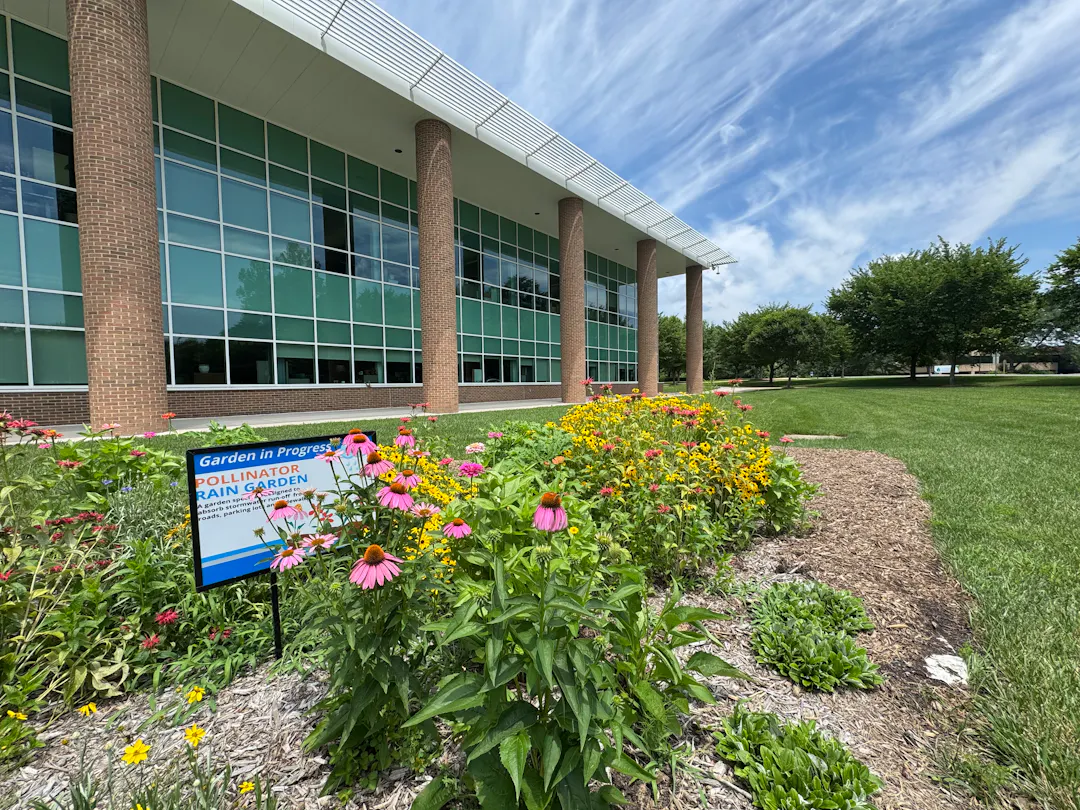
PWC Works projects reflect our commitment of striving for exceptional customer service, maximizing operational efficiencies, increasing modernization, providing excellent service delivery, and collaborating with the community for a coordinated response that achieves the best possible outcomes for our residents and the overall wellbeing of the county.


What is the Strategic Plan Environment Goal?

The Strategic Plan Environment Goal is to preserve the county’s natural beauty and resources so that open spaces are created and maintained, and residents can enjoy nature.


Key Objectives of the Strategic Plan Environment Goal

Strategies to Meet Objective 1

  • Propose and adopt green zoning regulations to preserve air and water.
  • Establish guidelines for stormwater management, agricultural and industrial pollution, desalination and forever chemical management.
  • Monitor and invest in preserving and expanding green spaces and tree canopies.
  • Establish education and guidelines that inform agricultural and industrial business owners, homeowners, and visitors about preserving land and other natural resources.

Current Projects, Initiatives and/or Activities that Support Objective 1

  • Incorporating Green Zoning regulations into the Prince William County Zoning Ordinance
  • Expansion of reforestation program to rebuild Resource Protection Area buffers, improve water quality and reach regional canopy goal, leveraging stormwater fee funding
  • Water quality programs, including:
    • Stream Bank cost share program for native plant landscaping and conservation (VCAP)
    • Nutrient and water quality monitoring, biological and chemical monitoring (e.g. algae blooms and expansion to include monitoring of PFAS), management plan for both public and county properties (e.g. floatable and benthic monitoring systems)
    • Salt stockpile management
    • Adopt a Stream Program
  • Various education and community engagement programs (e.g. Best Lawn program, storm drain labeling) to inform farmers, students, residents, HOAs and businesses

Strategies to Meet Objective 2

  • Prioritize land acquisition across the county to expand park access for all residents.
  • Ensure that all county parks meet a defined level of quality, appearance and accessibility and prioritize maintenance and expansion where parks are not easily accessible.
  • Improve walkability and bike-ability around public amenities and parks.

Current Projects, Initiatives and/or Activities that Support Objective 2

  • County Trail Improvement
    • Countywide Trails Master Plan (Department of Parks & Recreation)
    • Trail under Route 15 at Catharpin Creek – connectivity between Dominion Valley and James Long Park (Transportation)
    • Jefferson Park and Veterans Park Connection Trail (Transportation)
    • Hoadley Road STARS Study – bike/pedestrian improvement study (Transportation)
    • Engage volunteers in trail building (Department of Parks & Recreation)
  • Park Quality Improvement
  • Maintain up-to-date trail and parkland acquisition priority list
    • Maximize developer contributions
    • Leverage PDR and TDR program to achieve expanded public access to trails and open space
  • Developing Small Area Plans (SAPs) in targeted communities
  • Actively engaging with the Trails & Blueways Council
  • Transportation Safety Plan and Connectivity Initiatives

Strategies to Meet Objective 3

  • Incorporate the CESMP into the 2040 Comprehensive Plan and the comprehensive Zoning Ordinance update to facilitate sustainable and resilient future development.
  • Facilitate industry-specific events for businesses to learn about their potential impacts on the environment and sustainable practices.
  • Inform and educate residents about the CESMP and the Comprehensive Plan and how the county uses the plans to support sustainability and resilience.

Current Projects, Initiatives and/or Activities that Support Objective 3

  • Sustainability and Resilience Comprehensive Plan Amendment (CPA)
  • Incorporating Green Zoning regulations into the Zoning Text Amendment (ZTA), Design & Construction Standards Manual (DCSM) green update and update to the Transit section 600 of the DCSM
  • Develop outreach material

Strategies to Meet Objective 4

  • Propose Design & Construction Standards Manual (DCSM) and green zoning regulations to encourage water and energy-efficient buildings, multifamily, and mixed-use areas and transit-oriented developments.
  • Foster collaboration on environmental sustainability solutions between the County and Schools.
  • Transition the county's fleet to electric or hybrid vehicles, install EV charging stations at County facilities, design new facilities to LEED Gold standards and install solar arrays on county buildings to transition to net zero county facilities.
  • Promote existing renewable energy efficiency programs and incentives to assist residents and businesses with the transition.

Current Projects, Initiatives and/or Activities that Support Objective 4

  • Incorporating Green Zoning regulations into the Zoning Text Amendment (ZTA), Design & Construction Standards Manual (DCSM) green update, and update to the Transit section 600 of the DCSM
  • Develop and implement sustainable building standards for county buildings
  • Electric Vehicle (EV) transition
    • County Complex Charging Station (June 2026)
    • Hybrid fleet, including Police vehicles (ongoing)
  • Joint Environmental Taskforce (JET)
  • Renewable Natural Gas Plant
  • Consolidation of Energy and Emissions Data and Bill Payment, including development of Greenhouse Gases (GHG) Inventory

Strategies to Meet Objective 5

  • Consider establishing a "flooding bond" to address post-development flooding issues.
  • Continue to update maps and monitor flood prone locations in the County.
  • Work with local, state and federal agencies to identify funding for projects that would reduce or eliminate the risk of repetitive flooding.
  • Work with Emergency Management to identify and implement mitigation actions.

Current Projects, Initiatives and/or Activities that Support Objective 5

  • Onboarding Climate & Resilience Manager in Office of Sustainability
  • Identify and study flood prone areas and monitor FEMA map updates to inform development
  • Maintenance of stormwater infrastructure on Flood Watch list
  • Maintain and improve Community Rating System (CRS) score
  • Flood mitigation planning
    • Develop and implement Flood Resilience Plan (funded $1.2M)
    • Conduct post-incidence flood analysis
    • Coordinate regionally with the National Weather Service (NWS) and Northern Virginia Regional Commission (NVRC)
    • Develop comprehensive list of flood areas (currently manual), including monitoring coastal flooding and weather data
    • Build out and validation of automated flood warning system
  • Contribute to 2027 update to the Northern Virginia Hazard Mitigation Plan
  • Facilitate Hazard Mitigation Program
  • Sustainability and Resilience Comprehensive Plan Amendment (CPA)
  • Implement Green Infrastructure Study recommendations


Success Criteria (Key Performance Indicators) for the Strategic Plan Environment Goal

  • Pollutant reductions achieved through water quality improvement projects – Nitrogen (lbs/yr)
  • Pollutant reductions achieved through water quality improvement projects – Phosphorous (lbs/yr)
  • Pollutant reductions achieved through water quality improvement projects – Sediment (tons/yr)
  • Increased current Prince William County recycling rate (%)
  • Increased number of acres retained and acquired for county-owned parks
  • Greenhouse (GHG) emissions from government operations avoided or offset by renewable energy
  • Increased percentage of residents who rate ‘very satisfied’ or ‘ somewhat satisfied’ with “the County’s environmental and sustainability efforts” (Biennial Community Survey)
  • Increased number of recreational trail miles in Prince William County

PWC Works projects reflect our commitment of striving for exceptional customer service, maximizing operational efficiencies, increasing modernization, providing excellent service delivery, and collaborating with the community for a coordinated response that achieves the best possible outcomes for our residents and the overall wellbeing of the county.


What is the Strategic Plan Environment Goal?

The Strategic Plan Environment Goal is to preserve the county’s natural beauty and resources so that open spaces are created and maintained, and residents can enjoy nature.


Key Objectives of the Strategic Plan Environment Goal

Strategies to Meet Objective 1

  • Propose and adopt green zoning regulations to preserve air and water.
  • Establish guidelines for stormwater management, agricultural and industrial pollution, desalination and forever chemical management.
  • Monitor and invest in preserving and expanding green spaces and tree canopies.
  • Establish education and guidelines that inform agricultural and industrial business owners, homeowners, and visitors about preserving land and other natural resources.

Current Projects, Initiatives and/or Activities that Support Objective 1

  • Incorporating Green Zoning regulations into the Prince William County Zoning Ordinance
  • Expansion of reforestation program to rebuild Resource Protection Area buffers, improve water quality and reach regional canopy goal, leveraging stormwater fee funding
  • Water quality programs, including:
    • Stream Bank cost share program for native plant landscaping and conservation (VCAP)
    • Nutrient and water quality monitoring, biological and chemical monitoring (e.g. algae blooms and expansion to include monitoring of PFAS), management plan for both public and county properties (e.g. floatable and benthic monitoring systems)
    • Salt stockpile management
    • Adopt a Stream Program
  • Various education and community engagement programs (e.g. Best Lawn program, storm drain labeling) to inform farmers, students, residents, HOAs and businesses

Strategies to Meet Objective 2

  • Prioritize land acquisition across the county to expand park access for all residents.
  • Ensure that all county parks meet a defined level of quality, appearance and accessibility and prioritize maintenance and expansion where parks are not easily accessible.
  • Improve walkability and bike-ability around public amenities and parks.

Current Projects, Initiatives and/or Activities that Support Objective 2

  • County Trail Improvement
    • Countywide Trails Master Plan (Department of Parks & Recreation)
    • Trail under Route 15 at Catharpin Creek – connectivity between Dominion Valley and James Long Park (Transportation)
    • Jefferson Park and Veterans Park Connection Trail (Transportation)
    • Hoadley Road STARS Study – bike/pedestrian improvement study (Transportation)
    • Engage volunteers in trail building (Department of Parks & Recreation)
  • Park Quality Improvement
  • Maintain up-to-date trail and parkland acquisition priority list
    • Maximize developer contributions
    • Leverage PDR and TDR program to achieve expanded public access to trails and open space
  • Developing Small Area Plans (SAPs) in targeted communities
  • Actively engaging with the Trails & Blueways Council
  • Transportation Safety Plan and Connectivity Initiatives

Strategies to Meet Objective 3

  • Incorporate the CESMP into the 2040 Comprehensive Plan and the comprehensive Zoning Ordinance update to facilitate sustainable and resilient future development.
  • Facilitate industry-specific events for businesses to learn about their potential impacts on the environment and sustainable practices.
  • Inform and educate residents about the CESMP and the Comprehensive Plan and how the county uses the plans to support sustainability and resilience.

Current Projects, Initiatives and/or Activities that Support Objective 3

  • Sustainability and Resilience Comprehensive Plan Amendment (CPA)
  • Incorporating Green Zoning regulations into the Zoning Text Amendment (ZTA), Design & Construction Standards Manual (DCSM) green update and update to the Transit section 600 of the DCSM
  • Develop outreach material

Strategies to Meet Objective 4

  • Propose Design & Construction Standards Manual (DCSM) and green zoning regulations to encourage water and energy-efficient buildings, multifamily, and mixed-use areas and transit-oriented developments.
  • Foster collaboration on environmental sustainability solutions between the County and Schools.
  • Transition the county's fleet to electric or hybrid vehicles, install EV charging stations at County facilities, design new facilities to LEED Gold standards and install solar arrays on county buildings to transition to net zero county facilities.
  • Promote existing renewable energy efficiency programs and incentives to assist residents and businesses with the transition.

Current Projects, Initiatives and/or Activities that Support Objective 4

  • Incorporating Green Zoning regulations into the Zoning Text Amendment (ZTA), Design & Construction Standards Manual (DCSM) green update, and update to the Transit section 600 of the DCSM
  • Develop and implement sustainable building standards for county buildings
  • Electric Vehicle (EV) transition
    • County Complex Charging Station (June 2026)
    • Hybrid fleet, including Police vehicles (ongoing)
  • Joint Environmental Taskforce (JET)
  • Renewable Natural Gas Plant
  • Consolidation of Energy and Emissions Data and Bill Payment, including development of Greenhouse Gases (GHG) Inventory

Strategies to Meet Objective 5

  • Consider establishing a "flooding bond" to address post-development flooding issues.
  • Continue to update maps and monitor flood prone locations in the County.
  • Work with local, state and federal agencies to identify funding for projects that would reduce or eliminate the risk of repetitive flooding.
  • Work with Emergency Management to identify and implement mitigation actions.

Current Projects, Initiatives and/or Activities that Support Objective 5

  • Onboarding Climate & Resilience Manager in Office of Sustainability
  • Identify and study flood prone areas and monitor FEMA map updates to inform development
  • Maintenance of stormwater infrastructure on Flood Watch list
  • Maintain and improve Community Rating System (CRS) score
  • Flood mitigation planning
    • Develop and implement Flood Resilience Plan (funded $1.2M)
    • Conduct post-incidence flood analysis
    • Coordinate regionally with the National Weather Service (NWS) and Northern Virginia Regional Commission (NVRC)
    • Develop comprehensive list of flood areas (currently manual), including monitoring coastal flooding and weather data
    • Build out and validation of automated flood warning system
  • Contribute to 2027 update to the Northern Virginia Hazard Mitigation Plan
  • Facilitate Hazard Mitigation Program
  • Sustainability and Resilience Comprehensive Plan Amendment (CPA)
  • Implement Green Infrastructure Study recommendations


Success Criteria (Key Performance Indicators) for the Strategic Plan Environment Goal

  • Pollutant reductions achieved through water quality improvement projects – Nitrogen (lbs/yr)
  • Pollutant reductions achieved through water quality improvement projects – Phosphorous (lbs/yr)
  • Pollutant reductions achieved through water quality improvement projects – Sediment (tons/yr)
  • Increased current Prince William County recycling rate (%)
  • Increased number of acres retained and acquired for county-owned parks
  • Greenhouse (GHG) emissions from government operations avoided or offset by renewable energy
  • Increased percentage of residents who rate ‘very satisfied’ or ‘ somewhat satisfied’ with “the County’s environmental and sustainability efforts” (Biennial Community Survey)
  • Increased number of recreational trail miles in Prince William County